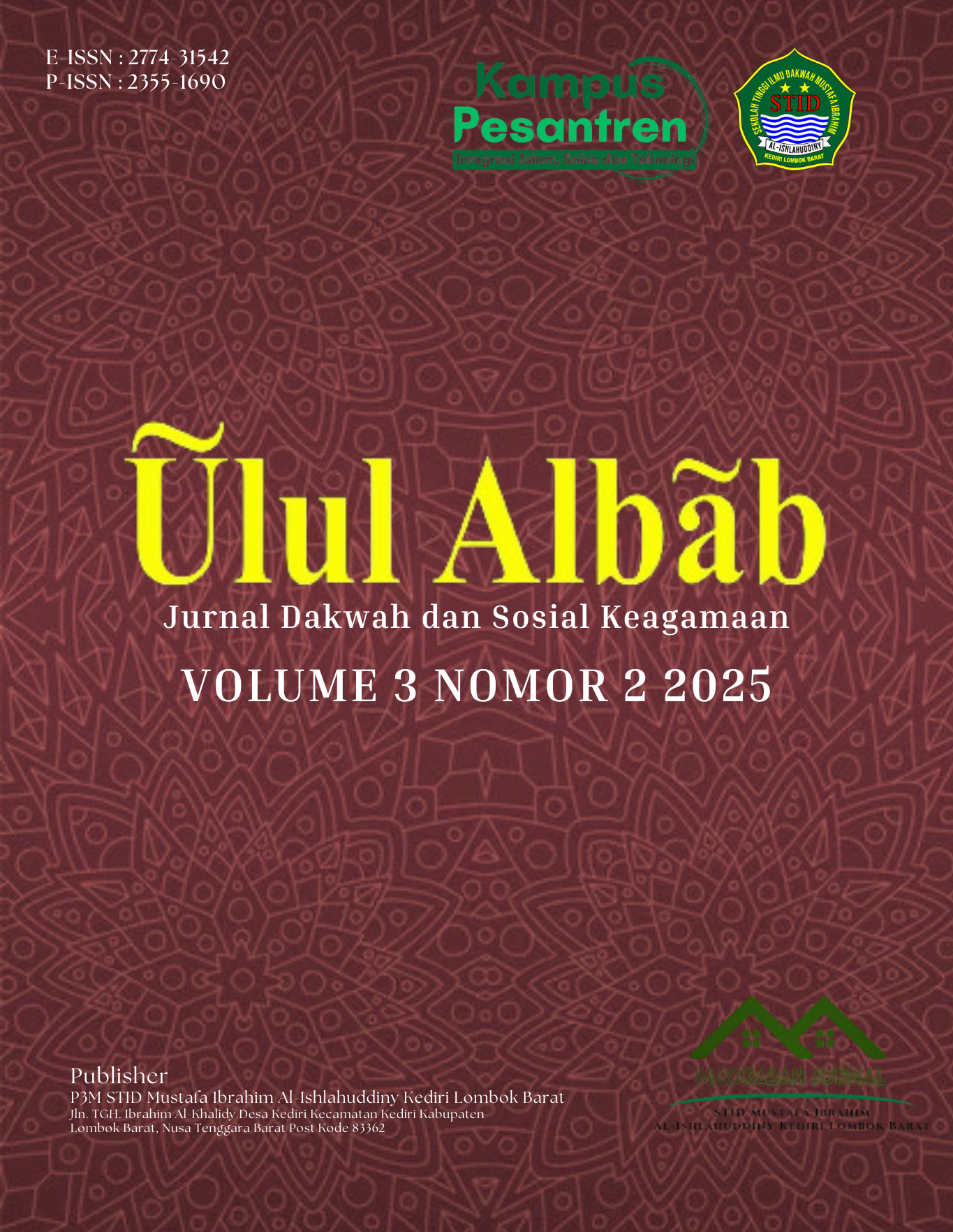
Telaah Pemikiran Antropologi Talal Asad Terhadap Konsep Adab sebagai Bagian dalam Komunikasi Budaya Islam Lokal Suku Sasak NTB
DOI:
https://doi.org/10.69943/wza80v35Keywords:
Manners, Islamic Cultural Communication, Sasak Tribe, Talal AsadAbstract
This study explores the transformation of linguistic politeness and its influence on local Islamic cultural communication among the Sasak community in Lombok. Using a qualitative ethnographic approach, the research investigates how the concept of adab—a moral and spiritual code of conduct—manifests itself through language and behavior. Data collected through participant observation and in-depth interviews reveal that expressions such as tiang (pillar), nggih (nuggih), nunas ampure (nuggih), and matur tampiasih (matur tampiasih), along with the customs of greeting and visiting (nyapaq and mesilaq), embody the lived values of oral adab (verbal etiquette). These polite linguistic and behavioral forms act as mechanisms for constructing moral and social identity, strengthening the connection between Islamic values and local cultural traditions. Interpreted through Talal Asad's theory of discursive tradition, the findings suggest that these communicative practices represent a continuity between normative Islamic teachings and living local expressions. The study highlights how adab serves as a bridge between religion and culture, fostering moral discipline and social harmony. Ultimately, this research contributes to Islamic anthropology by deepening understanding of how language reflects the ethical and spiritual dimensions of Islam in local contexts, while encouraging further study of variations in adab across Indonesian communities.
Downloads
Published
Issue
Section
License
Copyright (c) 2025 Ulul Albab: Jurnal Dakwah dan Sosial Keagamaan

This work is licensed under a Creative Commons Attribution-NonCommercial 4.0 International License.